
Best Sauna Stones: Types, Sizing, Packing and Maintenance
Sauna stones are one of the most important parts of a sauna heater, but they are also one of the easiest details to overlook. The right stones help your heater retain heat, produce better löyly, protect the heating elements, and keep your sauna performing safely over time.
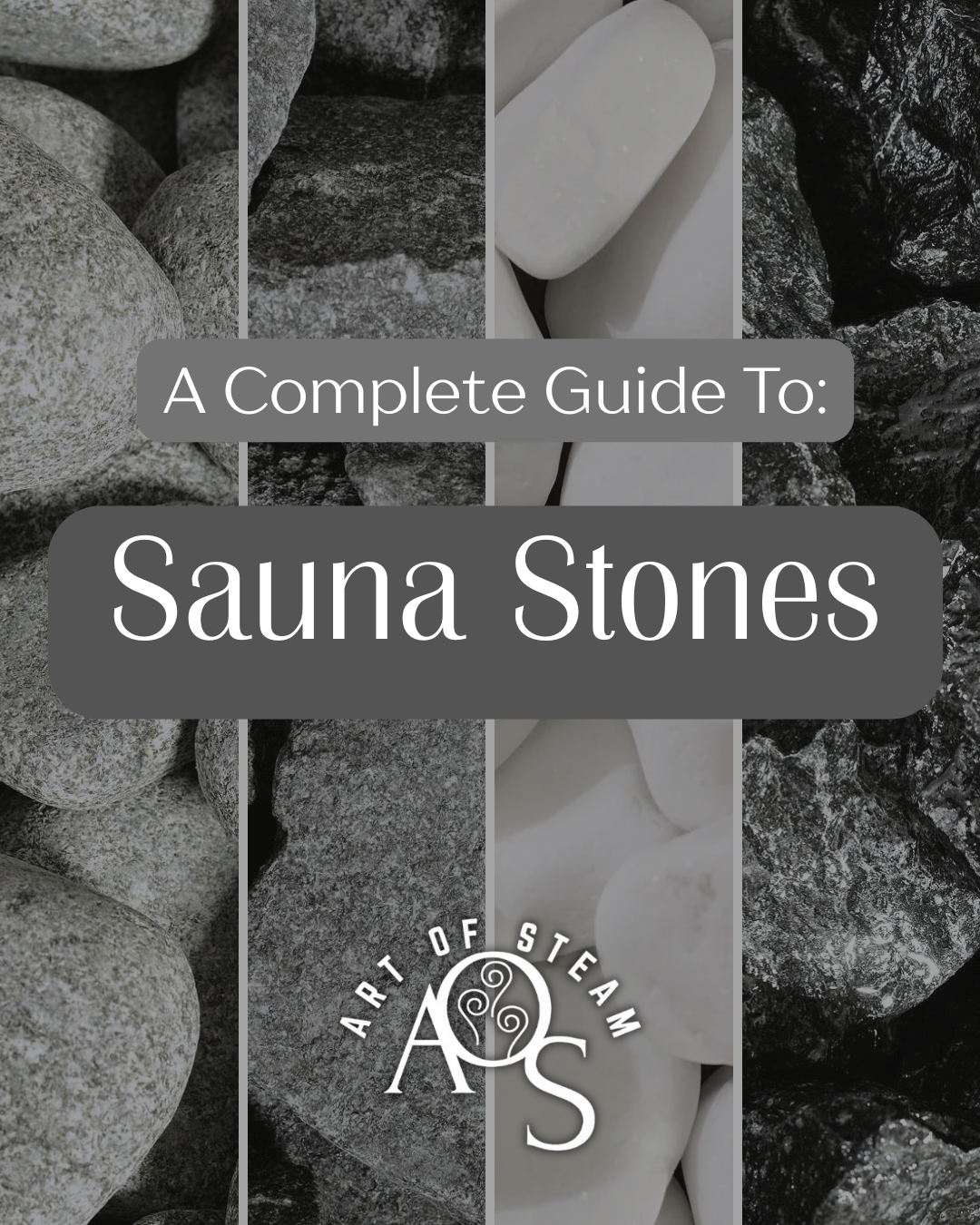
In this guide, we'll compare split face stones, rounded sauna stones, decorative top-layer stones, and larger stones for wood-burning or high-capacity heaters. We'll also cover how to pack sauna stones correctly and when to replace them.
Why You Can't Use Any Random Rock in a Sauna Heater
Sauna stones act like thermal batteries. They absorb heat from the heater, hold that heat, and release it when water is poured over the stones to create löyly. Because they are exposed to intense heat and sudden cooling, they need to be dense, durable, and safe for high-temperature sauna use.
Backyard rocks, river stones, landscaping stones, and decorative stones that are not rated for sauna use can be dangerous inside a heater.
- Explosion risk: Common rocks may contain trapped moisture or air pockets. When heated, that moisture can expand and cause the stone to crack, split, or burst.
- Off-gassing risk: Some stones contain minerals or chemicals that can release unpleasant or unsafe fumes when heated.
- Heater damage: Low-quality stones can crumble, block airflow, and cause heating elements to overheat or fail prematurely.
Best Sauna Stone Material: Olivine Diabase
Olivine diabase is widely used in traditional sauna heaters because it has the right balance of heat retention, durability, and thermal stability. It can handle repeated heating and cooling cycles better than ordinary rocks, making it a dependable choice for electric and wood-burning sauna heaters.
High Heat Retention
Olivine diabase is dense and heavy, which helps it absorb and hold heat for more consistent sauna performance.
Thermal Stability
Quality sauna stones are designed to withstand repeated heating and cooling without cracking as quickly as ordinary rocks.
Better Löyly
The right stones help water vaporize properly instead of running straight through the heater.
Element Protection
Properly packed stones protect electric heating elements while still allowing airflow through the heater.
Sauna Stone Comparison Chart
The best sauna stone depends on your heater style, desired steam feel, and whether you want performance, aesthetics, or both.
| Stone Type | Best For | Steam Feel | How To Use | Recommended Products |
|---|---|---|---|---|
| Split Face Olivine Diabase | Most residential electric sauna heaters | Quick, strong löyly with efficient water vaporization | Use as the main stone load throughout the heater | Harvia Split Face 0-10 cm Stones |
| Rounded Olivine Diabase | Design-forward electric heaters and softer aesthetics | Softer, more gradual steam feel | Can be used throughout select heaters, but pack loosely for airflow | Harvia Rounded Olivine Diabase Stones |
| White Decorative Stones | Modern sauna designs and premium visual finishes | Mostly aesthetic when used as a top layer | Use only as a decorative top layer over functional stones | Harvia White Decorative Sauna Stones |
| Red Granite Decorative Stones | Rustic, traditional, or natural sauna designs | Mostly aesthetic when used as a top layer | Use only as a decorative top layer over functional stones | Harvia Red Granite Decorative Stones |
| Black Vulcanite Stones | Modern black heaters and high-contrast sauna designs | Strong heat retention with a bold visual effect | Typically used as a decorative top layer | Harvia Black Vulcanite Stones |
Split Face Olivine Diabase Sauna Stones
Split face olivine diabase stones are the standard choice for many sauna heaters. Their rough, uneven shape gives water more surface area to contact, which helps create quick and satisfying steam when water is ladled over the heater.
The irregular shape also helps create small air gaps between the stones. That airflow is important because the heater needs to move hot air through the stone bed without suffocating the elements.
Split face stones are a strong choice for heaters such as the Harvia KIP and Harvia The Wall Series.

Rounded Olivine Diabase Sauna Stones
Rounded olivine diabase sauna stones are tumbled smooth for a cleaner, more refined appearance. They provide excellent heat retention, but their smoother shape can create a different steam feel.
Because water tends to move more gradually across rounded stones, the löyly can feel softer and more humid compared with the quicker hit produced by rough split face stones.
Rounded stones work especially well in heaters where the stone bed is highly visible, such as the Harvia Spirit.

Decorative Sauna Stones: Best Used as a Top Layer
Decorative sauna stones can make a heater look more finished, especially when the stone bed is visible from the room. However, decorative stones should generally be used only as a top layer. The functional stones underneath should still handle most of the heat retention, airflow, and element protection.
| Decorative Stone | Look | Best Match | Important Note |
|---|---|---|---|
| White Decorative Stones | Clean, bright and modern | Modern heaters like the EOS Cubo Avantgarde | Use on top of standard sauna stones for a finished visual layer |
| Red Granite Decorative Stones | Rustic, earthy and traditional | Heaters like the Harvia Virta | Great for adding contrast against wood interiors |
| Black Vulcanite Stones | Dark, bold and modern | Heaters like the Harvia Cilindro | Turns darker and glossier when wet for a dramatic look |


What Size Sauna Stones Do You Need?
Sauna stone size matters because the stone needs to fit properly around the heating elements or inside the stone chamber. Stones that are too small can restrict airflow if packed too tightly, while stones that are too large may not fit properly in residential electric heaters.
| Stone Size | Best For | Benefits | Common Heater Pairings |
|---|---|---|---|
| Small Stones, 0-10 cm | Most residential electric sauna heaters | Fit more easily between elements, heat up quickly, and provide efficient steam production | Harvia KIP, Harvia The Wall, many standard electric heaters |
| Large Stones, 10-15 cm | Wood-burning heaters and large-capacity electric heaters | More thermal mass, deeper heat retention, and larger steam volume once fully heated | Harvia Virta, Harvia Legend, large stone-capacity heaters |
For most home electric heaters, start with 0-10 cm sauna stones. For wood-burning heaters or large stone-capacity heaters, 10-15 cm sauna stones may be the better fit.

How To Pack Sauna Stones Correctly
Packing sauna stones correctly is just as important as choosing the right stones. A heater that is packed too tightly can overheat, restrict airflow, and shorten element life. A heater that is packed too loosely may not store enough heat or protect the elements properly.
- Rinse the stones first: Wash away dust and loose grit before placing stones into the heater.
- Inspect each stone: Do not use stones that are cracked, flaky, or crumbling.
- Place stones carefully: Never dump stones into an electric heater. Dropping stones can bend or damage the heating elements.
- Keep airflow in mind: Stack the stones loosely enough that air can move through the heater.
- Cover the elements: The elements should be protected, but not compressed.
- Add decorative stones last: If using decorative stones, place them only on the top layer.
How To Pack Stones in a Pillar-Style Heater
For pillar-style heaters such as the Harvia Cilindro, start with larger stones toward the bottom and work upward. Place stones carefully between the heating elements and the outer mesh. The goal is to keep the elements centered and protected without blocking airflow through the tower.
How To Pack Stones in a Wood-Burning Sauna Heater
Wood-burning sauna heaters, such as the Harvia Legend Series, do not have electric elements to pack around. Instead, the stones help protect the body of the stove and store heat from the fire. Use larger stones toward the base of the stone chamber and smaller stones higher up to fill gaps.
Sauna Stone Maintenance: When To Replace Your Stones
Sauna stones are exposed to repeated heat cycles and water, so they do wear down over time. As stones crack and crumble, dust and grit can collect in the bottom of the heater. That buildup can restrict airflow, overheat the elements, and reduce the quality of your sauna sessions.
| Sauna Use | How Often To Inspect Stones | How Often To Replace or Refresh |
|---|---|---|
| Light residential use | Once per year | Replace damaged stones and top off as needed |
| Frequent residential use | Every 6 to 12 months | Replace cracked or crumbling stones and refresh the stone load |
| Commercial or daily use | Every 6 months | More frequent replacement may be needed depending on heater use |
Annual Sauna Stone Maintenance Checklist
- Let the sauna and heater cool completely, ideally overnight.
- Gather gloves, a bucket, a mask, and a vacuum.
- Remove the stones carefully one by one.
- Inspect the stones and discard any that are cracked, crumbling, or flaky.
- Use the “click test” by gently tapping two stones together. Good stones should produce a crisp click. Failing stones often sound dull or crumbly.
- Vacuum dust, grit, and sediment from the bottom of the heater.
- Reload the good stones loosely and add fresh stones to restore proper stone volume.
Need the Right Stones for Your Sauna Heater?
Choosing the right sauna stones helps your heater perform better, last longer, and produce better löyly. Browse functional and decorative sauna stones from Art of Steam Co., or contact us if you need help matching stones to your specific heater.
Frequently Asked Questions About Sauna Stones
What are the best stones for a sauna heater?
For most sauna heaters, olivine diabase is one of the best choices because it is dense, durable, and able to handle repeated heating and cooling cycles. Split face olivine diabase stones are the best all-around option for many residential electric sauna heaters.
Can I use river rocks in a sauna?
No. River rocks and backyard stones should not be used in a sauna heater. They may contain moisture, air pockets, or minerals that can crack, burst, or release unwanted fumes when heated.
Are rounded sauna stones better than split face stones?
Rounded stones are not necessarily better, but they do create a different experience. Split face stones tend to produce quicker, stronger steam because of their rough surface area. Rounded stones offer a smoother look and can create a softer, more gradual steam feel.
Can decorative sauna stones be used throughout the heater?
In most cases, decorative sauna stones should be used only as a top layer. Functional sauna stones underneath should handle most of the heat retention, airflow, and element protection.
How often should sauna stones be replaced?
For normal residential use, inspect sauna stones at least once per year and replace any that are cracked, crumbling, or producing dust. For heavy, daily, or commercial use, inspect them every 6 months.
How tightly should sauna stones be packed?
Sauna stones should be packed loosely enough for air to flow through the heater, but securely enough to protect the heating elements. Never force stones tightly against the elements or dump stones into the heater.
Final Thoughts
Your sauna heater is only as effective as the stones inside it. The right sauna stones improve heat retention, steam quality, airflow, and long-term heater performance. For most electric sauna heaters, split face olivine diabase stones are the best starting point. Rounded stones are ideal when you want a softer look and gentler steam, while decorative stones can be used as a top layer to complete the design.
By choosing the right stone type, matching the correct size to your heater, packing the stones properly, and maintaining them over time, you can improve every sauna session while protecting your investment.
